
This is the multi-million dollar question for every creator on Meta’s platform: which Facebook video format pays the most? Should you spend your time perfecting vertical, rapid-cut Reels, or should you invest in longer, narrative-driven videos eligible for In-Stream Ads? In 2026, the answer is complex because each format serves a different purpose for your audience and the algorithm. Reels are the engine for discovery and rapid growth, while long-form content is the engine for sustained, deep revenue. We’ll analyze the latest performance metrics and payout logic to help you decide which Facebook video format pays the most for your specific content niche.

What Is the Core Difference Between Facebook Video Formats?
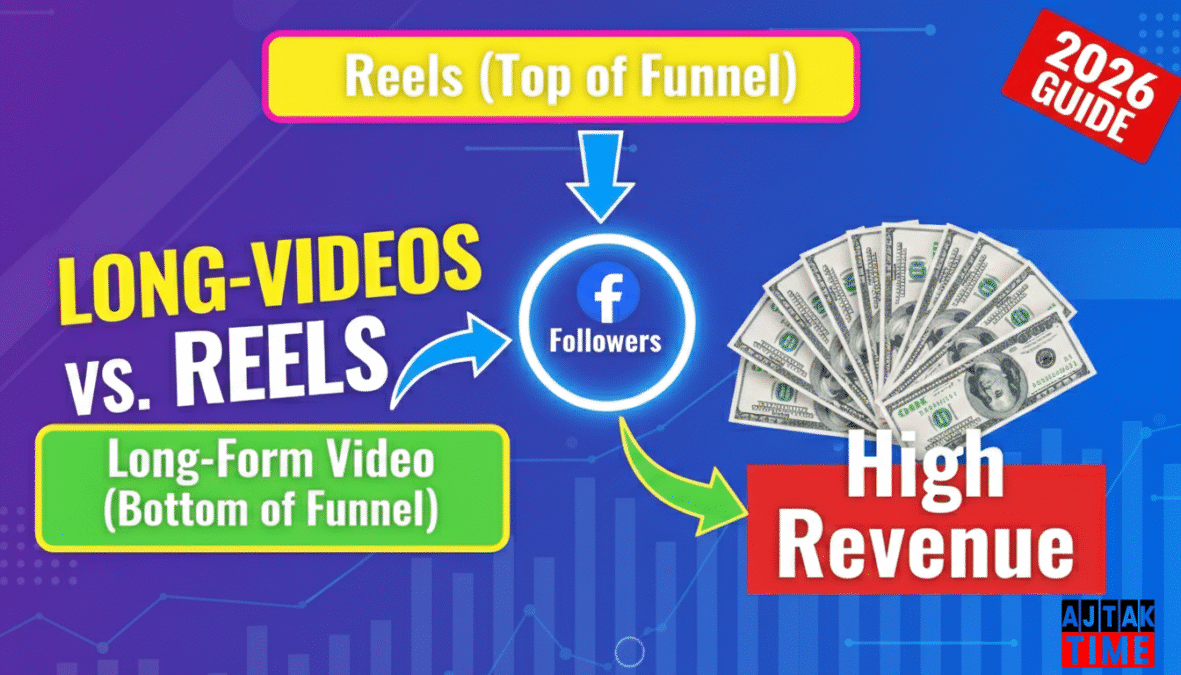
To understand which Facebook video format pays the most, you must first differentiate their roles:
- Reels (Short-Form Video): These are vertical videos (9:16 ratio) typically 90 seconds or less. They are monetized through overlay ads (banners/stickers) or Ads on Reels, which are non-interruptive. Reels are primarily a discovery tool, appearing heavily in feeds of people who do not yet follow you. Payouts often come from performance bonuses or revenue sharing based on views/plays.
- In-Stream Ads (Long-Form Video): These are videos three minutes or longer (often 16:9 or 1:1 ratio). They are monetized by placing pre-roll, mid-roll, or post-roll ads within the video content. This format typically targets your existing followers or highly engaged users. The revenue here is a true ad revenue share, which is often higher per thousand views (CPM) than Reels.
Why This Video Monetization Question Matters in 2026
The reason creators obsess over which Facebook video format pays the most is the sheer difference in effort required. Long-form video takes significantly more time, research, and editing.
In 2026, the key monetization shift is the move toward Content Monetization (which includes both formats under one umbrella). This system aims to streamline payouts. However, the underlying ad mechanics haven’t fundamentally changed:
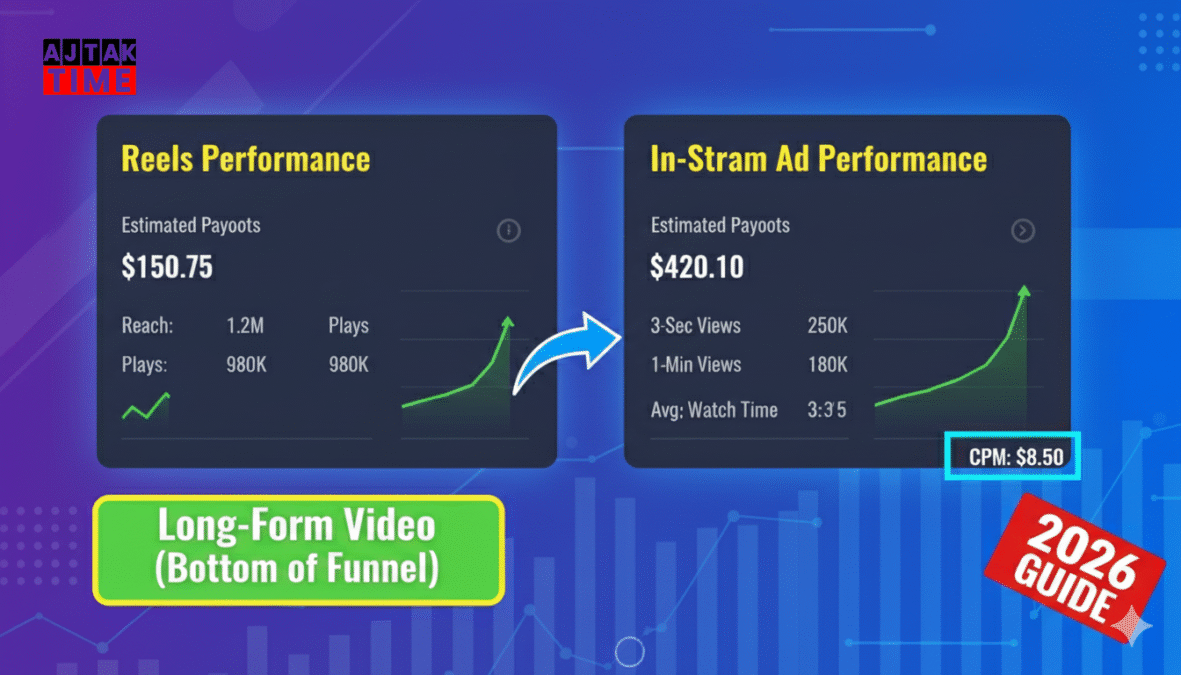
- Long-Form (In-Stream Ads): Still offers a higher CPM (Cost Per Mille/Thousand) because the mid-roll ad placement forces high ad completion rates. Advertisers pay a premium for guaranteed views on valuable long-form video.
- Short-Form (Reels): Reels payouts are typically lower per view but provide a massive volume of views, especially from non-followers. Reels are for scaling your audience fast.
Your video monetization strategy must balance these two roles: growth and revenue.
Key Benefits of Each Video Format
Choosing which Facebook video format pays the most depends on what stage your page is at.
| Format (Monetization Type) | Core Benefit |
| In-Stream Ads (Long-Form) | Higher CPM: You earn significantly more per 1,000 views. |
| Reels (Short-Form) | Discovery & Growth: Best way to gain new followers and grow your reach quickly. |
| In-Stream Ads (Long-Form) | Predictable Payouts: Earnings are more stable once you have an established audience and watch time. |
| Reels (Short-Form) | Low Barrier to Entry: Requires less production effort and investment. |
| In-Stream Ads (Long-Form) | Affiliate Integration: More space in the description to place affiliate links and pitch products. Link to: [Facebook Affiliate Marketing Strategy] — “Use anchor text: Affiliate Marketing on Facebook” |
| Reels (Short-Form) | Cross-Platform: Easily repurposed for TikTok and Instagram, maximizing your video monetization strategy. |
Step-by-Step Guide: How to Determine Your Highest Paying Format
Instead of asking which Facebook video format pays the most in general, follow this guide to find out what pays you the most.
Step 1: Establish Eligibility for Both
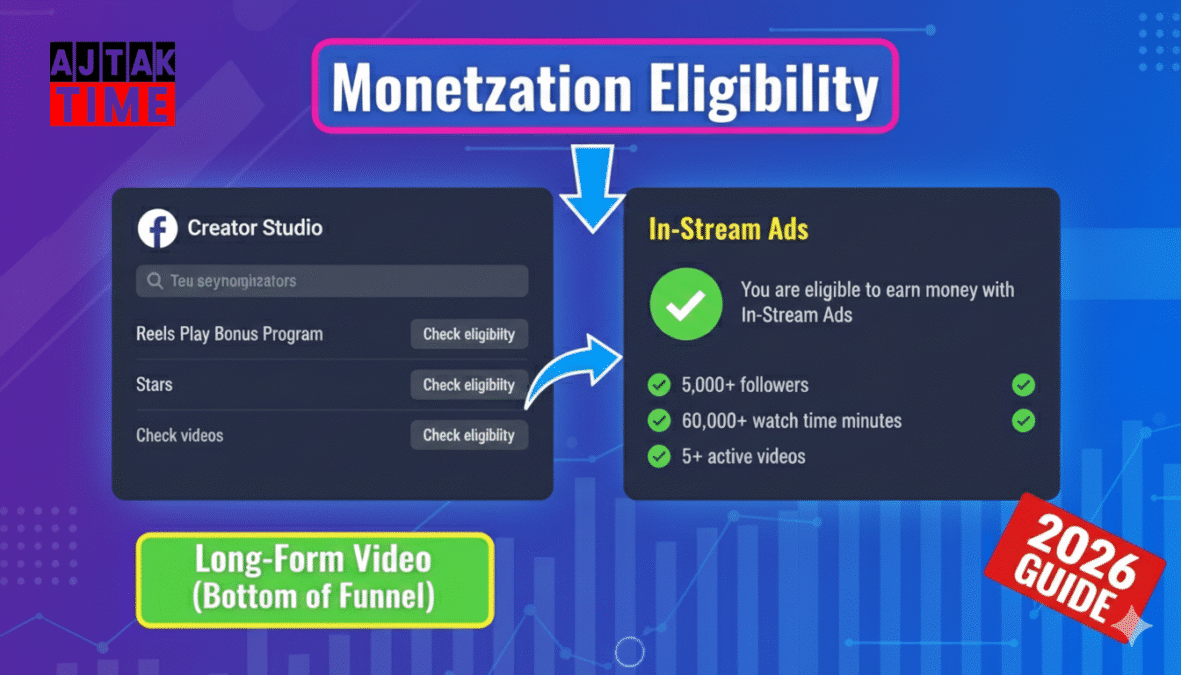
First, ensure you meet the baseline requirements for both. In-Stream Ads require higher metrics (e.g., 5,000 followers and 60,000 minutes viewed in 60 days). Reels monetization often requires fewer followers but demands adherence to consistency rules.
Step 2: Post Consistently in Both Formats
Dedicate time to both. Post 3-5 Reels per week for reach and 1-2 long-form videos per week for revenue depth. This dual-strategy is crucial.
Step 3: Track Payouts in the Professional Dashboard
Once monetized, use the Insights tab in your Professional Dashboard. Look at the earnings breakdown per content format. Pay attention to the estimated CPM rates Facebook provides for In-Stream Ads versus the performance payouts for Reels.
Step 4: Analyze Audience Retention
Long-form video only pays well if viewers stay past the first mid-roll ad (ideally past the one-minute mark). If your audience retention for 5-minute videos is only 20%, you need to improve your long-form content.
Step 5: Adjust Strategy Based on Data
If your Reels are growing your follower count but your In-Stream Ads have a high CPM, redirect your new Reels traffic to watch your profitable long-form videos. This is the optimal video monetization strategy.
Common Mistakes to Avoid in Facebook Video Monetization
Many creators fail to earn top dollar because of simple errors, regardless of which Facebook video format pays the most.
- Ignoring Mid-Roll Placement: Manually placing mid-roll ads in long-form videos haphazardly, instead of during natural breaks or transitions. Solution: Use the automatic placement feature and then review its suggestion.
- Using Watermarked Reels: Uploading TikTok or CapCut videos with their watermarks visible. Solution: Always use original, clean files or create content natively in the Meta ecosystem.
- Low Audience Retention: Creating long videos that lose viewers after 30 seconds, nullifying the high In-Stream CPM. Solution: Study your retention graph and put the strongest hook in the first 5 seconds.
- Bad Thumbnail Choice: Using a blurry or generic video frame as a thumbnail. Solution: Design a custom, 1200×675 thumbnail with clear text for maximum click-through rate.
- Neglecting the Niche: Creating trendy content that doesn’t align with high-value advertiser niches (e.g., finance, tech). Solution: Focus on evergreen long-form video that attracts high-paying ad campaigns.
Expert Tips for Maximizing Earnings Regardless of Format
The true answer to which Facebook video format pays the most is the format that works together.
- The 3-Minute Sweet Spot: If you are new to In-Stream Ads, aim for videos just over three minutes. This is long enough to fit one mid-roll ad but short enough to maintain high audience retention.
- The 15-Second Hook: Your first 15 seconds of any long-form video should be edited like a Reel—fast, intense, and engaging—to keep the viewer past the first pre-roll ad.
- Direct Traffic: In the comment section of your viral Reels, post a link (and pin it) directing users to your most profitable long-form video.
- External Authority Links: For the latest eligibility details, refer to the official Meta Partner Monetization Policies. External Link: [Meta Partner Monetization Policies]
- External Authority Links: Stay informed on video ad performance. External Link: [Video Ad Benchmark Report]
Conclusion
So, which Facebook video format pays the most? The winner for highest rate per view (CPM) remains long-form video via In-Stream Ads. However, the winner for maximum reach and growth is undoubtedly Reels. Your best video monetization strategy is a hybrid approach. Use Reels as the free advertising machine that funnels new, engaged viewers to your high-CPM long-form content. By understanding the symbiotic relationship between short-form discovery and long-form revenue, you position yourself perfectly for maximum earnings in 2026.
FAQs (Schema-friendly)
Q1: Which Facebook video format pays the most on a per-view basis?
Long-form videos (3 minutes or longer) monetized by In-Stream Ads generally pay the most on a per-view basis due to higher CPM rates from mid-roll ad placement.
Q2: Are Facebook Reels payouts better than In-Stream Ads for a new creator?
For a new creator, Facebook Reels payouts (often performance bonuses) are a better starting point because Reels offer significantly higher discovery and growth potential, allowing you to reach the follower threshold needed for In-Stream Ads faster.
Q3: Does video watch time impact monetization on both Reels and long-form videos?
Yes, video watch time is crucial for both. For long-form video, longer watch time means more mid-roll ads served. For Reels, higher watch time (looping or full completion) signals better content quality, increasing its reach and corresponding payout.
Q4: What is the minimum length for a video to be eligible for In-Stream Ads?
The minimum length for a video to be eligible for In-Stream Ads is typically three minutes. Content that is shorter than this is classified differently and cannot use mid-roll ads.
Q5: Is the monetization rate (CPM) for long-form video the same across all countries?
No. The CPM rates for long-form video are significantly higher in countries like the US, Canada, and the UK, which have high-spending advertisers, compared to other regions.
Q6: Should I remove my Reels once they have gone viral?
No, never remove viral templates or Reels. They continue to drive traffic and increase your overall Facebook Content Monetization performance, even if the primary payout for that specific Reel is complete.

найти это kra43 cc